


About Us
Our History and Our Mission

History
The latter part of the 19th century saw rapid expansion and development of the British Empire and, with it, the dependence on ocean shipping routes for its trade and defense. Concerns as to the adequacy of the Royal Navy in that day to defend the widely separated components of the empire and their essential shipping gave rise to the formation in Britain in 1895 of a society with the primary aim of ensuring an adequate naval defense. This was the Navy League, organized with local branches in towns and cities and drawing support from all walks of life but focused on the interests of ocean trade and naval defense.
The objectives of the League have changed very little in the intervening years. Although some alteration to wording has been necessary to align them with present day usage. The League still seeks to promote knowledge and support for our maritime interests including the advancement of knowledge in this field through youth training programs.
Objectives
The primary purpose of the Navy League is to promote, organize, sponsor, and support the education and training of youth across the country through Cadet movements and other maritime‑focused youth organizations. This includes providing recreational opportunities and training that foster the physical and mental fitness of young people participating in the Cadet program.

Focus
We teach the three important “ships” of the Navy League of Canada:
citizenship, leadership, and seamanship.
Citizenship means learning how to be kind, respectful, and helpful to others, and how to care about your community. Leadership teaches cadets how to work as a team, try their best, and set a good example for friends. Seamanship is all about learning fun skills related to boats and the water, staying safe, and discovering Canada’s marine traditions.
Through these three “ships,” cadets make friends, learn new skills, build confidence, and have fun in a safe and welcoming environment.

Our Namesake: Vice‑Admiral Herbert Sharples Rayner, DSC*, CD
Navy League Cadet Corps Admiral Rayner (VI) is proudly named after Vice‑Admiral Herbert Sharples Rayner, one of Canada’s most respected naval leaders—and someone who began his journey as a cadet, just like you. He joined the Royal Canadian Navy as a teenager in 1928, learning discipline, teamwork, and seamanship early in his career.
During the Second World War, Vice‑Admiral Rayner commanded Canadian warships in dangerous waters and showed outstanding leadership and courage. For his bravery and skill at sea, he was awarded the Distinguished Service Cross with Bar, one of Canada’s highest naval honors.
After the war, his dedication and hard work led him to become the 9th Chief of the Naval Staff, the senior officer of the Canadian Navy. He also served on the Pacific Coast, including time in Esquimalt, British Columbia, making his legacy especially meaningful to cadets here in Victoria.
Vice‑Admiral Rayner’s life reflects the three core values of the Navy League of Canada: citizenship, leadership, and seamanship. As cadets of NLCC Admiral Rayner (VI), we honour his legacy by working as a team, helping our community, learning new skills, and always doing our best—just as he did.
Officers
Meet the Officers of NLCC Admiral Rayner,
all of whom are volunteers, have been screened through the Navy of League of Canada,
and are dedicated teachers at the Corps level fostering our future leaders

“I'm thrilled to be the Commanding Officer of this amazing group of staff and cadets.”
— Lt (NL) Tara Amell, Commanding Officer

“Without music, life would Bb.”
— SLt (NL) Allen Day, Executive & Band Officer
“TrgO because "cadet whisperer" isn't an official position.”
— SLt (NL) Chris Shortt, Training Officer

“I'm an AdminO, not a magician, but I can see why you might be confused.”
— CI Rishi Gupta, Admin
“Let's fix that!”
— CI Suzette Goldsworthy, Supply
“Here's what we're gonna do...”
— CI Wayde Guptill, Operations
Admiral Rayner 2024-26
Photos & videos from our cadet activities
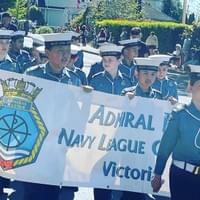



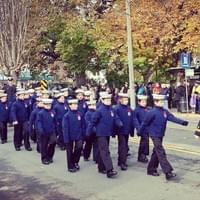
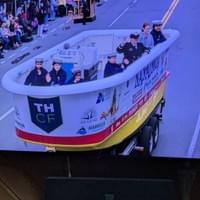


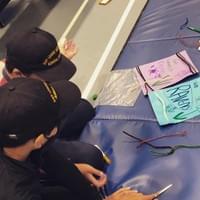


Photo Gallery
Photos & Videos from previous cadet years


